UKGC's 2026 Reforms Reshape Online Casinos: Tax Hikes, Stake Caps, and Frictionless Safety Checks Roll Out Across the UK
UKGC's 2026 Reforms Reshape Online Casinos: Tax Hikes, Stake Caps, and Frictionless Safety Checks Roll Out Across the UK

The Rollout Begins: What Sparked These Major Changes
Operators in the UK iGaming sector woke up to a new reality in early 2026 when the UK Gambling Commission (UKGC) implemented a series of regulatory reforms aimed squarely at bolstering player safety and ramping up transparency; these measures, drawn from extensive prior consultations with industry stakeholders, businesses, and consumer groups, rolled out progressively throughout the first quarter, setting the stage for a transformed landscape where higher accountability meets stricter controls.
What's interesting here is how these updates address long-standing concerns about vulnerability in online slots and broader casino play, with tiered protections and financial safeguards taking center stage while tax adjustments hit operators' bottom lines; experts who've tracked UKGC evolutions note that such phased introductions allow time for adaptation, minimizing disruptions even as the changes fundamentally alter daily operations for licensed remote casinos nationwide.
And then there's the timing: while most elements kicked in during January and February, the Remote Gaming Duty jumped to 40% precisely on April 1, 2026, marking a pivotal moment that operators had anticipated but still scrambled to integrate into their financial models.
Breaking Down teh Core Reforms: Stakes, Bonuses, and Checks
At the heart of the overhaul lie tiered maximum stakes on online slots, where players aged 18-24 face a £2 limit per spin, but those 25 and older get £5; this age-based differentiation, designed to shield younger users from higher-risk behaviors, applies universally across licensed platforms, forcing developers and casinos to reprogram games and enforce checks at login or wager points.
Take one operator who navigated the transition: their teams spent weeks updating RNG systems to cap bets dynamically based on verified age data, a process that, although challenging, aligns with data showing younger demographics more prone to rapid losses in high-volatility slots; observers point out that such limits echo earlier trials on fixed £2 caps for all, but the tiered approach reflects consultation feedback favoring nuance over blanket restrictions.
But here's the thing with bonuses: the ban on mixed-product offers wipes out promotions bundling slots, table games, sports bets, or live dealer incentives into one package, compelling operators to craft siloed rewards like slots-only free spins or sportsbook free bets; this shift simplifies terms for players, reduces confusion around wagering requirements, and, according to UKGC figures, curbs the temptation to chase losses across verticals.
Frictionless affordability checks represent perhaps the smoothest innovation, leveraging open banking APIs and credit reference agencies to assess spending capacity without halting gameplay; players consent once, and seamless data pulls flag risks in real-time, whether during slots sessions, blackjack hands, or roulette rounds, with interventions like deposit limits or session pauses triggered automatically if thresholds flag concerns.
Tax Surge Hits Hard: Remote Gaming Duty Climbs to 40%
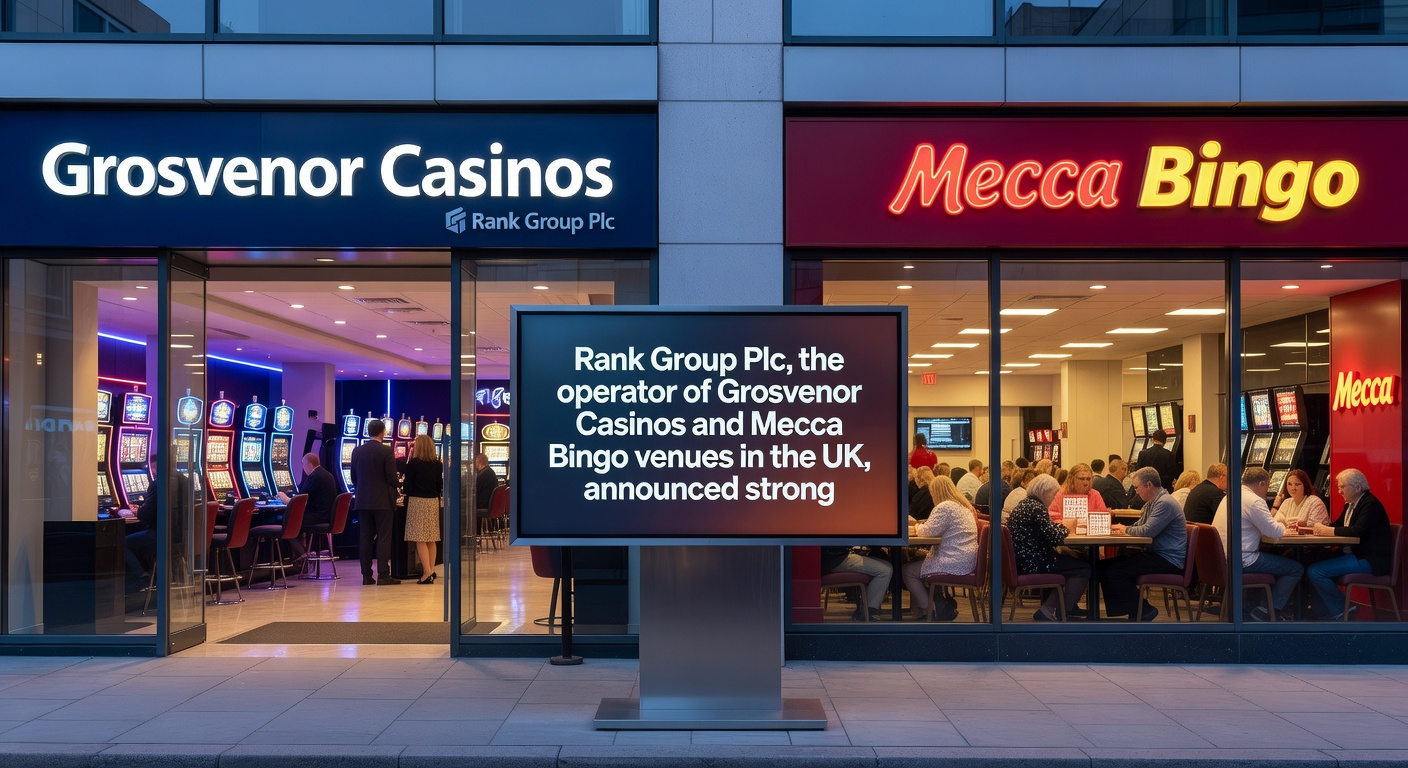
The Remote Gaming Duty increase to 40%, effective April 1, 2026, stands out as the reform packing the biggest financial punch for operators, up from previous rates that had lingered lower amid budget pressures; businesses now calculate this on gross gambling yield from remote activities, including online casinos, slots apps, and iGaming hubs, which means tighter margins especially for high-volume platforms reliant on slots revenue.
Figures reveal the impact: one analysis from industry watchers estimates billions in additional levies annually, prompting some firms to tweak pricing, bonuses, or even market positioning to offset costs; yet, since the duty funds public services and gambling harm initiatives, stakeholders acknowledge its role in balancing commercial interests with societal protections.
So operators adapt creatively, perhaps by enhancing non-gambling revenue streams like affiliate partnerships or premium VIP features (now strictly segmented under bonus rules), all while complying with the new fiscal reality that took full effect that spring morning in April.
It's noteworthy that this tax aligns with broader UK fiscal policies, but for iGaming specifically, it coincides with stake limits potentially curbing gross yields, creating a dual squeeze where revenue dips meet higher outflows; those who've modeled scenarios predict shifts toward lower-stakes, higher-volume play, particularly among the 25+ crowd at £5 max.
£26 Million Boost Targets Offshore Threats
Beyond operator burdens, the reforms channel £26 million in extra funding toward tackling illegal offshore gambling sites, a move that equips enforcement bodies with resources for monitoring, blocking, and prosecuting rogue operators; this allocation, tied directly to reform proceeds, underscores a proactive stance against unlicensed platforms luring UK players with lax rules or inflated bonuses.
UKGC teams now deploy advanced tech for domain seizures and payment disruptions, while public awareness campaigns highlight licensed alternatives; data from early 2026 shows initial successes, wth traffic to flagged offshore sites dropping as frictionless checks and stake familiarity keep players onshore.
And consider the ripple: legal casinos gain a competitive edge, as mixed-bonus bans level the playing field against offshore lures promising cross-product freebies; experts observe that this funding, sustained by the 40% duty, creates a virtuous cycle where safer markets attract investment, fostering innovation in compliant features like AI-driven responsible gaming tools.
Industry Ripples: Operators Pivot Amid Phased Implementation
Throughout early 2026, iGaming businesses nationwide grappled with compliance, from software audits ensuring £2/£5 slot caps to legal reviews purging mixed bonuses; one case study highlights a mid-sized operator who rolled out open banking integrations ahead of schedule, gaining a head start on affordability checks that smoothed player onboarding without friction.
But challenges persist: smaller platforms faced steeper tech upgrade costs, although UKGC guidance and phased timelines (January for checks and bonuses, March for stakes, April for taxes) eased the burden; reports indicate most major remote casinos met deadlines, with only minor extensions for legacy systems.
Players notice changes too, often via pop-ups confirming stake limits or affordability nudges during extended sessions, yet surveys post-rollout reveal broad acceptance, especially among 18-24s who appreciate tailored protections without feeling overly restricted.
What's significant is the transparency push: operators must now display clearer terms, stake info upfront, and duty implications indirectly through sustainable pricing; this builds trust, as evidenced by steady remote casino gross gambling yield figures holding firm despite constraints.
- Tiered stakes: £2 (18-24), £5 (25+ ) on slots.
- Ban: No more mixed-product bonuses across games or sports.
- Checks: Open banking for seamless affordability assessment.
- Tax: 40% Remote Gaming Duty from April 1, 2026.
- Funding: £26M to fight offshore operators.
These elements interconnect, creating a cohesive framework where safety enhancements offset tax pressures through healthier player retention; turns out, early data suggests reduced harm incidents, validating the consultative origins of the package.
Conclusion: A Safer Horizon for UK iGaming
As 2026 progresses, UKGC reforms cement a new normal for online casinos, where April's tax hike anchors fiscal shifts alongside ongoing stake limits, bonus clarifications, and smart checks that prioritize protection without stifling access; operators who've embraced the changes report stabilized operations, bolstered by £26 million enforcement fueling a cleaner ecosystem.
Observers note the progressive rollout's wisdom, allowing adaptation while consultations' legacy ensures buy-in from all sides; ultimately, these measures position the UK iGaming sector as a global benchmark for balanced regulation, with licensed platforms thriving amid heightened safety and transparency.