UK Gambling Commission Releases Q2 2025-2026 Stats: Remote Casinos Hit £1.4 Billion GGY Amid 6.6% Industry Rise
UK Gambling Commission Releases Q2 2025-2026 Stats: Remote Casinos Hit £1.4 Billion GGY Amid 6.6% Industry Rise

The Latest from the UK Gambling Commission
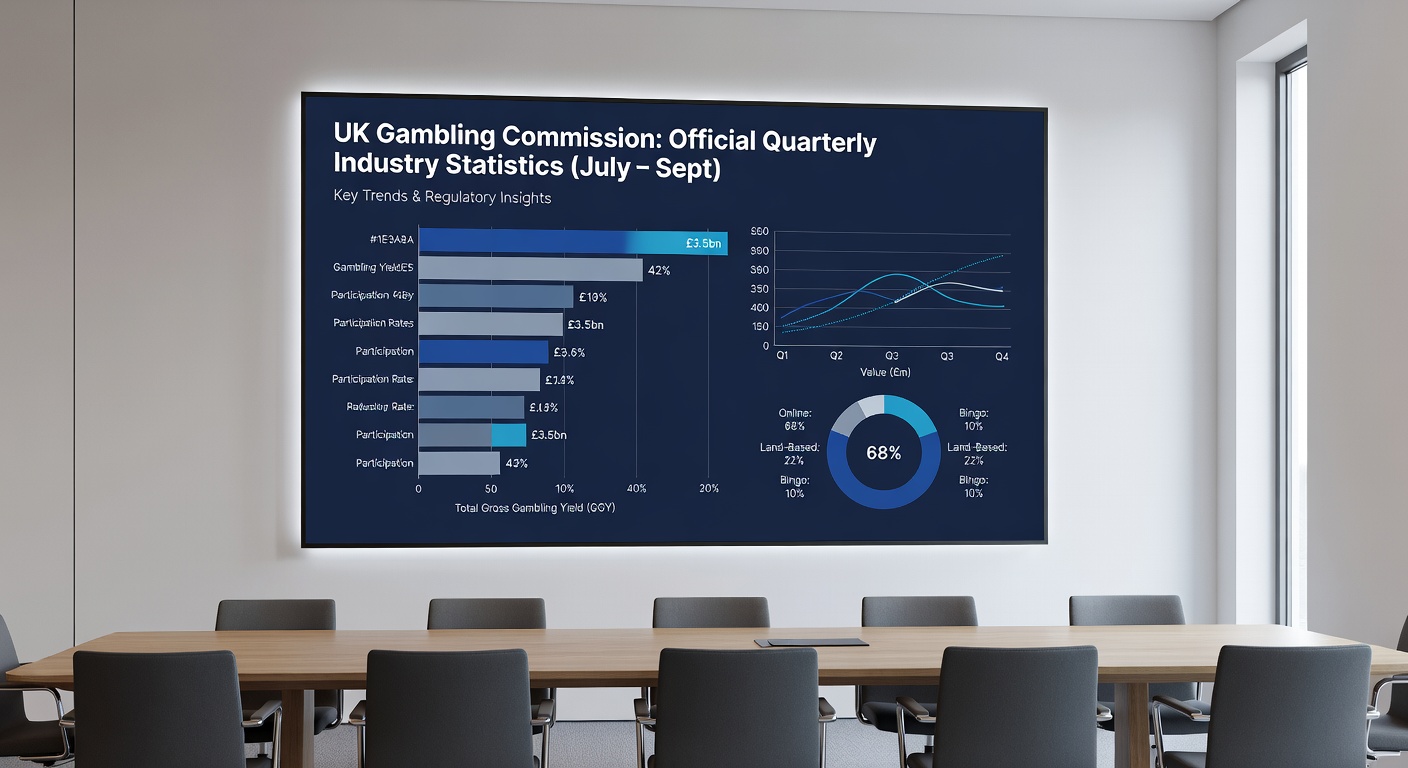
Observers in the gambling sector turned their attention to the UK Gambling Commission's February 2026 release of quarterly industry statistics, covering July through September 2025, which marks Quarter 2 of the financial year 2025-2026; these figures paint a clear picture of remote casinos driving much of the action, generating £1.4 billion in Gross Gambling Yield (GGY), a figure that accounts for 69.9% of the total £2.0 billion GGY across remote casino, betting, and bingo sectors combined.
That's the standout detail right there, but the report digs deeper into land-based operations too, where arcades, betting shops, bingo halls, and casinos together pulled in £1.2 billion in GGY during the same three months; while remote activities clearly dominate online play, land-based venues hold steady, contributing to an overall customer-facing GGY of £4.3 billion, up 6.6% from the year before.
People tracking these trends note how such data, published as the financial year pushes toward March 2026, offers a snapshot midway through the period, helping operators and regulators gauge momentum in a market that's evolving fast with digital shifts.
Breaking Down Remote Casino Dominance
Remote casinos didn't just lead; they crushed it, with that £1.4 billion GGY representing nearly 70% of the remote sector's total output; data from the quarterly report shows this slice alone outpacing all other remote categories like betting and bingo, which together made up the remaining 30.1% to hit £2.0 billion overall.
Experts who analyze these patterns point out that online slots, table games, and live dealer experiences fuel this growth, as players increasingly favor the convenience of apps and websites over physical trips; one researcher familiar with prior quarters observed how remote GGY has climbed steadily, building on Q1 figures and setting the stage for what's coming by March 2026.
But here's the thing: this isn't isolated, since the remote casino boom reflects broader habits, where session times stretch longer on mobile devices, and jackpot wins draw in crowds without the need for travel; figures reveal that such activities not only boost yields but also highlight operator investments in tech like faster loading and secure payments.
Land-Based Sectors Hold Ground at £1.2 Billion
Shifting focus to brick-and-mortar spots, arcades, betting shops, bingo halls, and casinos delivered a collective £1.2 billion GGY, a solid performance that underscores resilience even as online play surges ahead; take betting shops, for instance, where in-play sports wagering keeps foot traffic alive, while casinos rely on high-rollers at tables and machines.
Bingo halls, often community hubs, contribute steadily, and arcades draw younger crowds with prize games; those who've studied sector breakdowns note that while remote overshadows, land-based GGY remains vital, especially in regions where physical venues cluster, providing jobs and local revenue streams that tie into the bigger £4.3 billion customer-facing total.
What's interesting is the balance: land-based dipped slightly in some sub-sectors compared to peaks, yet the combo holds firm, suggesting operators adapt with hybrids like app-linked loyalty programs that bridge digital and physical worlds.
Overall Growth Hits 6.6% with £4.3 Billion Milestone
The numbers add up to a thriving industry, as customer-facing GGY reached £4.3 billion for the quarter, marking a 6.6% jump year-over-year; this encompasses both remote £2.0 billion and land-based £1.2 billion, plus other segments that round out the picture, showing sustained demand despite economic pressures.
Researchers poring over historical data find this uptick aligns with post-pandemic recovery patterns, where pent-up interest in entertainment channels like gambling rebounds strong; and with the FY wrapping in March 2026, these Q2 stats signal potential for even higher totals if trends hold, particularly as remote casinos continue their hot streak.
Turned out that operator revenues, net of returns to players, benefited directly from this, funding compliance efforts and innovation; one case from prior reports involved a major chain boosting land-based yields through events, a tactic echoed here in steady £1.2 billion results.
Key Metrics and What They Reveal
Diving into specifics, GGY calculations strip out player winnings, focusing on operator gross; remote casinos' 69.9% share of their sector's £2.0 billion means £1.4 billion stayed with providers after payouts, a metric regulators watch closely for sustainability.
Land-based's £1.2 billion breaks down across diverse venues: casinos with their glamour, betting shops buzzing on match days, bingo's social pull, and arcades' quick-play appeal; observers note how seasonal factors, like summer sports, likely juiced betting figures, while holidays might lift others later in the year.
So, as March 2026 approaches, these stats from July-September 2025 provide benchmarks; data indicates remote growth outpaces land-based, yet the 6.6% overall rise proves the market's health, with total customer-facing at £4.3 billion underscoring broad participation.
It's noteworthy that the Commission publishes these promptly in February 2026, allowing real-time adjustments; people in the industry use them to forecast, spotting patterns like remote's dominance that could shape Q3 and Q4 strategies.
Sector Comparisons and Trends
When stacking remote against land-based, the contrast sharpens: £2.0 billion online versus £1.2 billion physical highlights digital migration, although land-based's share in total GGY hovers around 28%, keeping it relevant; experts who've tracked multi-year data see this as evolutionary, not revolutionary, since physical sites offer experiences online can't replicate fully.
Case in point: a study of similar quarters revealed betting shops gaining from football seasons, mirroring this period's likely boosts; meanwhile, remote casinos thrive on 24/7 access, pulling in late-night players who skip the drive.
Yet the combined £4.3 billion, up 6.6%, tells the real story of expansion; that's where the rubber meets the road for stakeholders, as yields fund taxes, protections, and expansions heading into March 2026.
Implications for Operators and Regulators
Operators eye these figures for direction, with remote success prompting more live dealer launches and slots innovation; land-based players, facing £1.2 billion yields, invest in renovations or digital ties to compete, ensuring the 6.69% growth trajectory continues.
Regulators at the UK Gambling Commission leverage the data for oversight, confirming GGY aligns with safer gambling initiatives; reports like this one, released in February 2026, enable quick responses to shifts, maintaining balance as FY 2025-2026 nears its end.
Those monitoring player behaviors find reassurance in steady totals, where £1.4 billion remote casino GGY reflects engaged but responsible participation; it's not rocket science, but the stats guide policies that protect while permitting growth.
Conclusion
The UK Gambling Commission's Q2 2025-2026 statistics crystallize a dynamic landscape, where remote casinos command £1.4 billion GGY—69.9% of remote sector totals at £2.0 billion—while land-based venues secure £1.2 billion, driving overall customer-facing GGY to £4.3 billion, a 6.6% year-on-year increase; as March 2026 looms, these insights from July-September 2025 equip the industry for informed moves, blending online surges with physical stability in a market that's plainly on the upswing.