Tap, Spin, Bet: Mobile's Grip on Slots, Tables, Live Streams, and Sports Wagers
Tap, Spin, Bet: Mobile's Grip on Slots, Tables, Live Streams, and Sports Wagers
The Surge in Mobile Gambling Engagement
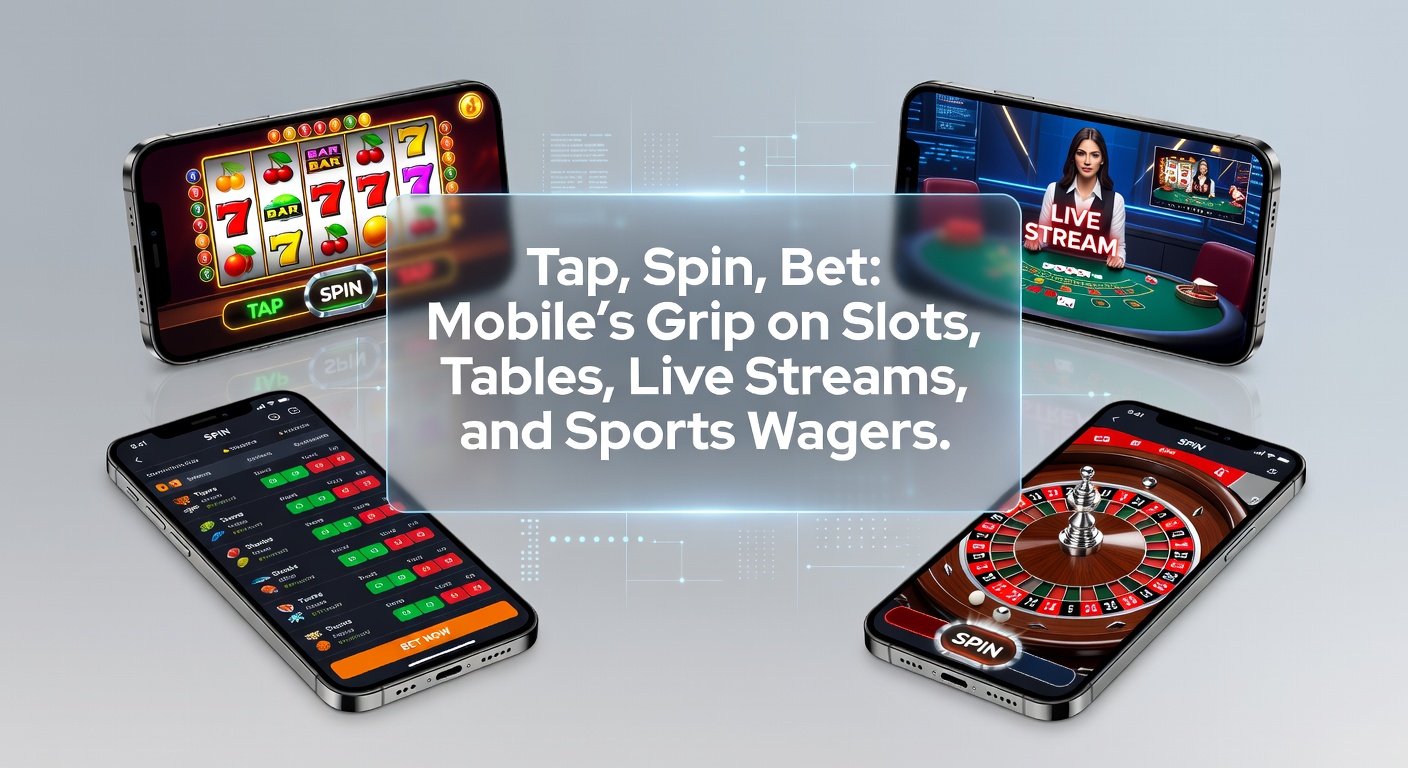
Smartphones have transformed gambling landscapes worldwide, with players tapping screens to spin slots, place table bets, join live dealer streams, and wager on sports events from anywhere at any time; data from the American Gaming Association reveals that mobile devices now account for over 70% of all online gambling activity in regulated US markets, a figure that climbed steadily since 2020 because operators optimized apps for seamless experiences on iOS and Android platforms. Observers note how this shift happened fast, especially during global lockdowns when people turned to phones for entertainment, and now in March 2026, fresh reports show daily active users hitting record highs as 5G networks roll out broader coverage.
What's interesting is the way mobile grips every segment, from casual slot pulls to high-stakes sports parlays; researchers at Alcohol and Gaming Commission of Ontario found that in Canada alone, mobile wagers surged 45% year-over-year through early 2026, driven by intuitive touch controls that mimic physical casino actions while adding conveniences like one-tap deposits. And yet, this dominance brings nuances, since battery life and data speeds influence session lengths, although advancements in edge computing help mitigate those hurdles.
Slots Lead the Mobile Charge
Mobile slots dominate because developers pack thousands of titles into pocket-sized apps, featuring high-res graphics, bonus rounds triggered by swipes, and progressive jackpots that build across devices; studies indicate players complete more spins per session on phones compared to desktops, often 20-30% higher according to Eilers & Krejcik Gaming analytics, since notifications pull users back for quick hits during commutes or breaks. Take one popular title like a branded video slot tied to blockbuster movies, where thumb flicks activate free spins and multipliers, keeping engagement rates above 80% as measured by session analytics tools.
But here's the thing: customization shines here too, with portrait mode reels fitting naturally on screens while landscape unlocks immersive full-screen play; operators report that geo-targeted promotions, like location-based free spins near land-based venues, boost retention, and in regions like New Jersey, monthly mobile slot gross gaming revenue topped $500 million last quarter, per state filings. People who've analyzed player behavior discover that autoplay features, adjusted via sliders, extend playtime without constant tapping, turning slots into effortless mobile pastimes.
Table Games Go Touch-Friendly
Blackjack, roulette, and baccarat adapted swiftly to mobile touchscreens, where pinching zooms tables, swiping deals cards, and sliders set bet amounts in seconds; data shows table game mobile shares reaching 65% globally, up from 40% five years ago, because multi-table lobbies let players hop between games without lag on optimized apps. Experts observe how physics engines simulate realistic ball spins on roulette wheels, complete with haptic feedback vibrations on wins, making sessions feel lifelike even on smaller displays.
Now consider poker variants, where drag-and-drop chip stacking and quick-fold buttons accelerate hands, appealing to on-the-go players; one case from Australian market trackers highlights how mobile poker traffic spiked 35% during major tournaments, as fans bet side wagers between live event breaks. And although early versions suffered from clunky interfaces, updates now support split-screen views for stats overlays, ensuring tables rival desktop fluidity while fitting commutes or queues perfectly.
Live Streams Bring Casino Floors to Phones
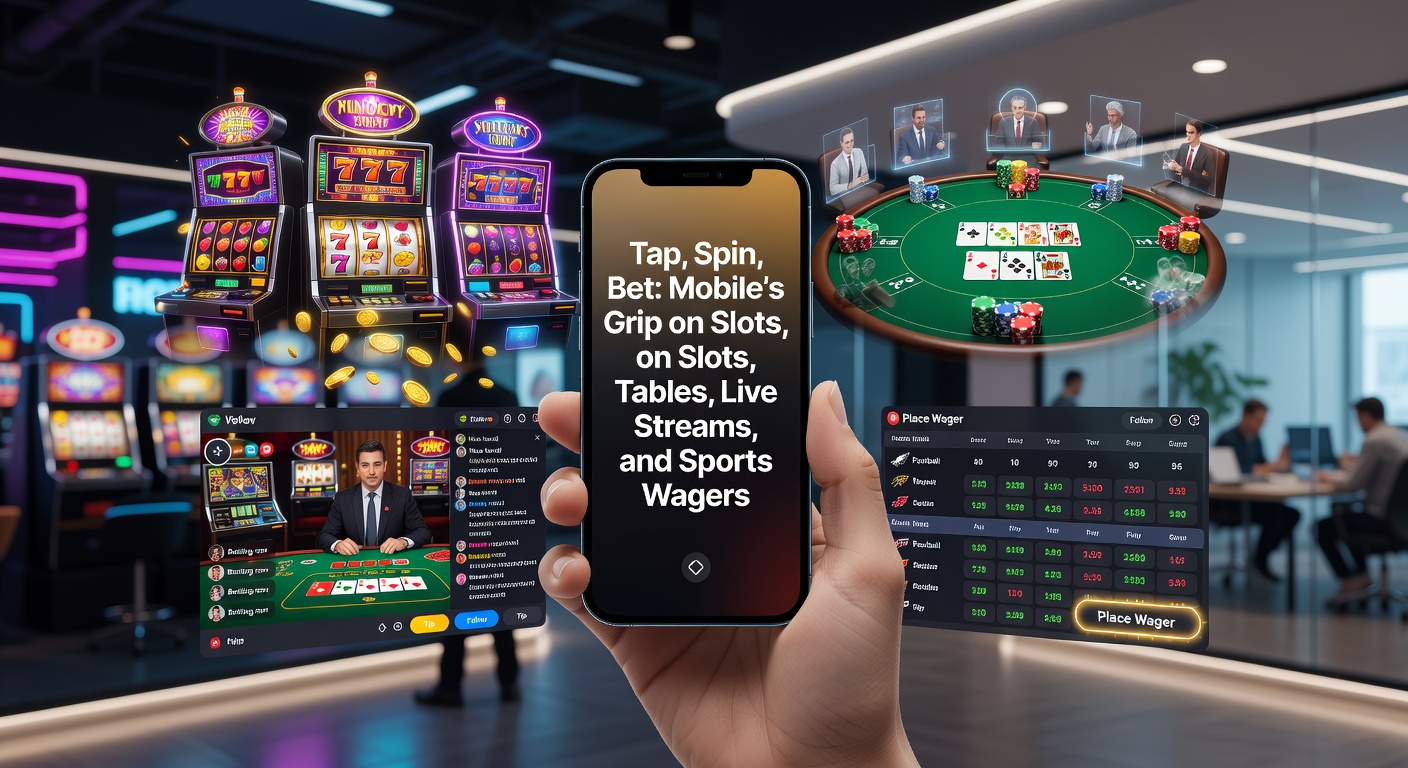
Live dealer games stream real croupiers dealing cards or spinning wheels via HD video, with players chatting through side panels and betting via taps that mirror land-based paces; figures reveal live casino mobile penetration at 55%, highest among table formats, since low-latency tech from providers like Evolution cuts delays to under two seconds. Those who've tracked streams note how multi-angle cameras capture every shuffle, building trust, while interactive features like pattern stats let bettors adjust strategies mid-hand.
Turns out, mobile-exclusive tables during peak hours handle surges better, scaling to thousands simultaneously; in Europe, one operator's Q1 2026 data showed live streams driving 40% of mobile revenue, boosted by themed rooms like VIP blackjack with celebrity dealers. So players join from sofas or stadiums, placing bets as wheels halt in real time, and augmented reality overlays (still emerging) hint at future evolutions where virtual chips float over physical tables.
Sports Wagers Thrive on Mobile Speed
In-play betting exploded on mobiles, where live odds update every few seconds for soccer goals, NBA points, or tennis serves, with cash-out buttons letting users lock profits mid-game; research indicates sports mobile wagers now comprise 75% of total action in mature markets, fueled by push alerts on injuries or momentum shifts. Observers point to seamless integrations with leagues, like NFL apps syncing scores directly, allowing parlays built via drag selections across fixtures.
But the rubber meets the road in micro-betting, where fans wager on next play outcomes during halftimes; Australian Communications and Media Authority reports noted a 50% mobile sports uptick in 2025, tied to 5G enabling sub-second streams. People often find virtual sports fill gaps too, with animated races resolving in minutes for constant action, and geo-fencing ensures bets align with local rules while traveling.
Key Stats and Regional Snapshots
Global mobile gambling gross gaming yield neared $100 billion in 2025, per H2 Gambling Capital estimates, with projections for 2026 pushing past $120 billion as Asia-Pacific adoption accelerates; in the US, Nevada's mobile handle hit $15 billion quarterly by March 2026, while Ontario saw iGaming apps process 80% of bets via phones. Data from industry trackers like Newzoo underscores how Gen Z players, glued to devices, favor slots and sports 3:1 over tables, although live streams bridge gaps for traditionalists.
What's significant is latency drops; average bet-to-result times fell to 1.5 seconds on mobiles, per app performance audits, spurring impulse plays. And in Latin America, Brazil's regulated launch in late 2025 funneled 90% traffic mobile-first, showcasing how emerging markets leapfrog desktops entirely.
- Mobile slots: 60% of all spins, highest RTP accessibility.
- Tables: 25% share, with blackjack leading at 12%.
- Live casino: 10% but growing fastest at 28% YoY.
- Sports: 55% of wagers, in-play at 70% of that.
Tech Innovations Fueling the Grip
Biometrics speed logins via face scans, while AI personalizes game feeds based on past taps; blockchain wallets enable instant crypto deposits, popular in unregulated zones, although fiat apps dominate regulated ones. Haptic tech vibrates on wins, and foldable screens expand tables virtually; by March 2026, Web3 integrations let players own slot NFTs for bonus multipliers, blending gaming with ownership.
Yet security layers thicken, with geolocation pings verifying locations every session; operators deploy machine learning to flag risky patterns, cutting fraud by 40%, as one US study found. So the ecosystem evolves, balancing thrills with safeguards.
Conclusion
Mobile's hold on slots, tables, live streams, and sports wagers solidifies as tech refines touch-based thrills, with stats projecting sustained double-digit growth through 2030; players tap into worlds once confined to venues, now pocket-portable, and as 6G whispers on horizons, even shorter latencies promise deeper immersions. The reality is clear: phones redefined access, turning every swipe into potential action, while regulators worldwide adapt frameworks to match this unstoppable momentum.