Support Networks Powering Payments and Perks in Mobile Betting Platforms
Ulrich Keller · Aug 17, 2026
Support Networks Powering Payments and Perks in Mobile Betting Platforms
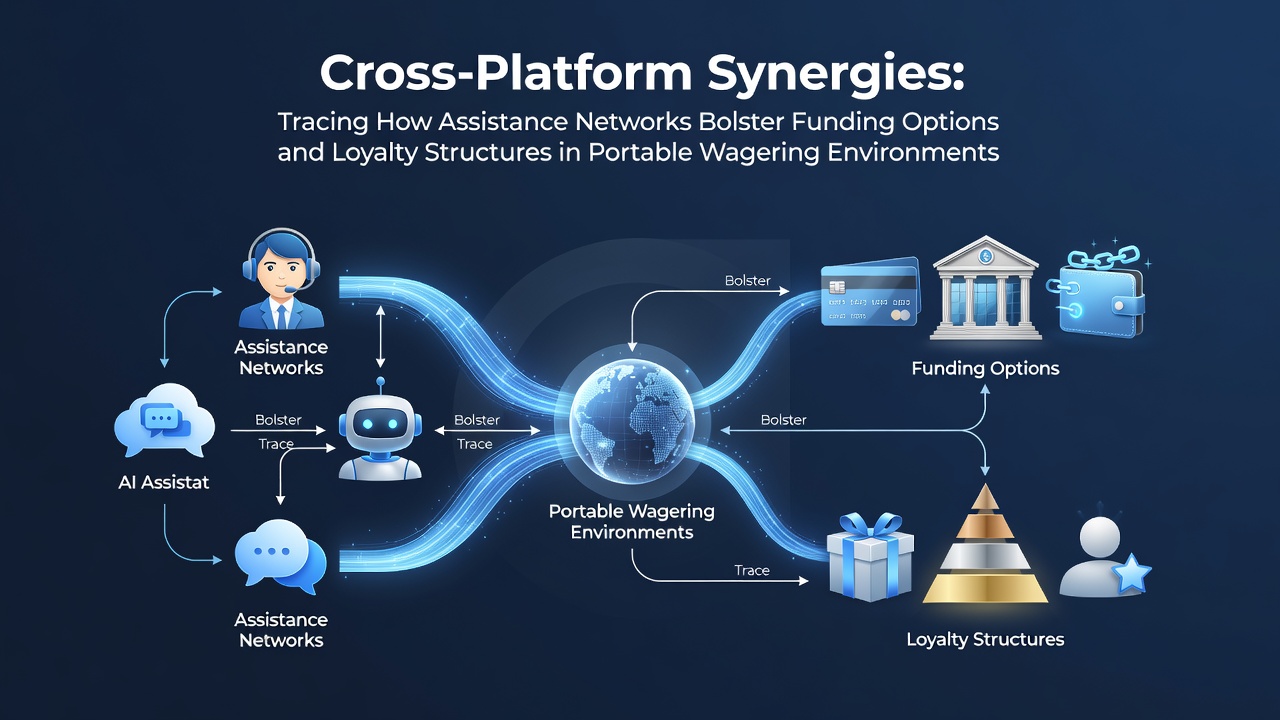
Assistance networks in portable wagering environments connect customer service teams with payment processors and loyalty programs, creating pathways that allow users to resolve transaction issues quickly while maintaining engagement across phones, tablets, and other devices. Data from multiple regulatory jurisdictions shows that operators who integrate real-time support channels see higher completion rates for deposits and withdrawals, especially when users encounter device-specific glitches during peak hours in August 2026.
Payment flexibility expands when support staff can authorize instant verification steps or reroute funds through alternative methods such as e-wallets or bank transfers. Industry reports indicate that these interventions reduce abandoned transactions by linking directly to loyalty tracking systems, so users receive credit toward tier progression even if a payment required manual review.
Device Integration and Transaction Flow
Portable wagering platforms rely on synchronized databases that update loyalty balances the moment a funding option processes successfully, whether the action occurs on a smartphone during a commute or a tablet at home. Observers note that assistance teams trained across multiple device profiles can guide users through app updates or browser cache clears without forcing a logout, preserving session data and accumulated rewards points.
Studies from the Australian Gambling Research Centre highlight how seamless handoffs between support chat functions and backend payment gateways increase repeat deposit frequency, since users who resolve issues on the first contact tend to activate promotional bonuses tied to their loyalty tier. These patterns hold across markets where operators maintain 24-hour multilingual teams capable of handling both technical queries and financial adjustments.
Loyalty Structures Reinforced by Assistance
Loyalty frameworks in mobile environments award points not only for wagers but also for successful payment resolutions handled through dedicated support lines. When a user reports a declined transaction, support personnel can verify identity documents and restore the intended deposit while simultaneously logging the event toward the user's progress bar, turning a potential frustration into measurable advancement within the rewards system.
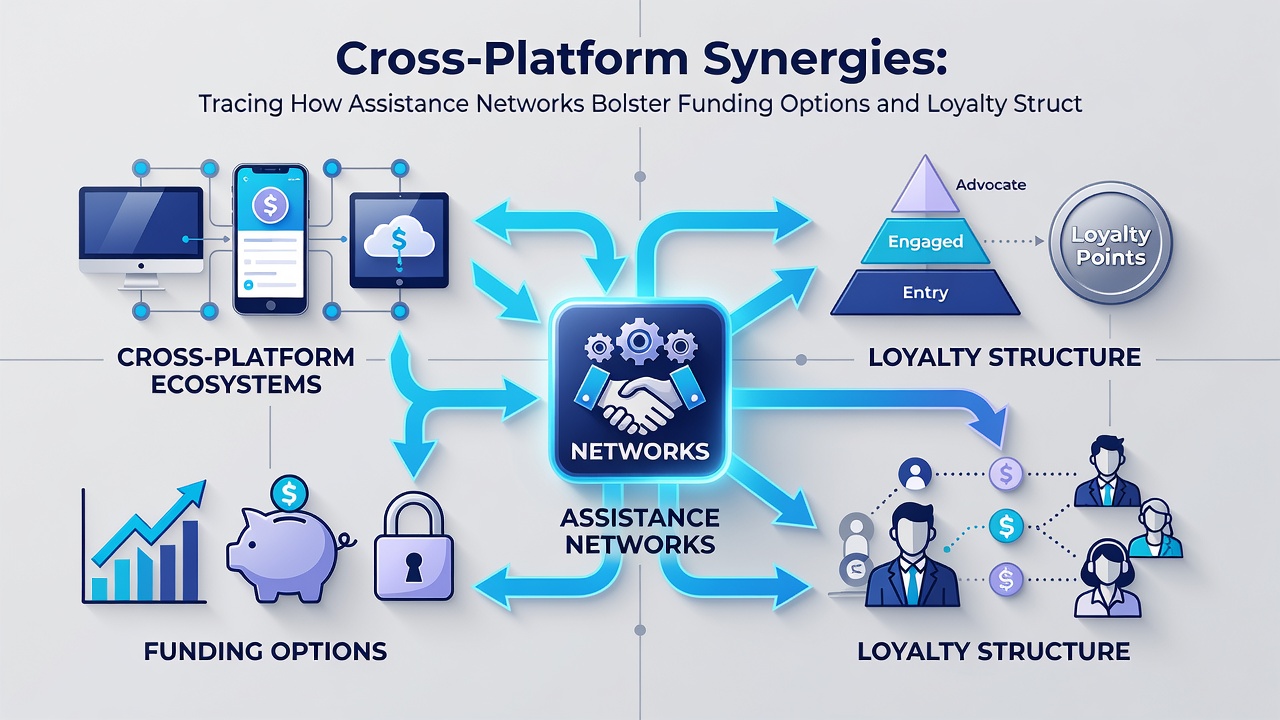
Research published by the Canadian Centre for Gaming Research demonstrates that cross-platform loyalty programs retain higher engagement when support interactions include proactive offers, such as bonus credits applied immediately after a verified payment delay. This approach ties assistance directly to retention metrics, with operators tracking how many users advance tiers following a supported transaction rather than abandoning the platform.
Regulatory Context Across Regions
European regulators outside the United Kingdom have examined how assistance networks affect funding transparency, requiring operators to log every support-assisted payment adjustment for audit purposes. Similar requirements appear in New Jersey Division of Gaming Enforcement guidelines, where data shows that documented support interventions correlate with fewer disputes over loyalty point allocations in mobile channels.
Operators in these jurisdictions maintain shared dashboards that display both payment status and loyalty standing, allowing support agents to confirm that a completed deposit has triggered the correct reward multiplier before ending the interaction. This integrated view reduces follow-up contacts and keeps users active across different game categories without platform switching friction.
Future Developments in August 2026
Industry updates scheduled for release in August 2026 focus on expanding API connections between support ticketing systems and loyalty engines, enabling automatic point grants once a payment clears verification. Early testing in select markets indicates these upgrades further streamline mobile experiences by minimizing manual steps for users who move between devices during a single session.
Conclusion
Assistance networks continue to serve as connectors that strengthen both funding reliability and loyalty progression in portable wagering settings. Evidence from academic and regulatory sources across Australia, Canada, and the United States shows measurable links between timely support interventions and sustained user activity on mobile platforms, with payment flexibility and reward structures evolving in tandem as operators refine these systems.