Payment Pathways Connecting Bonus Incentives to Sustained User Activity in Gaming Applications and Betting Markets
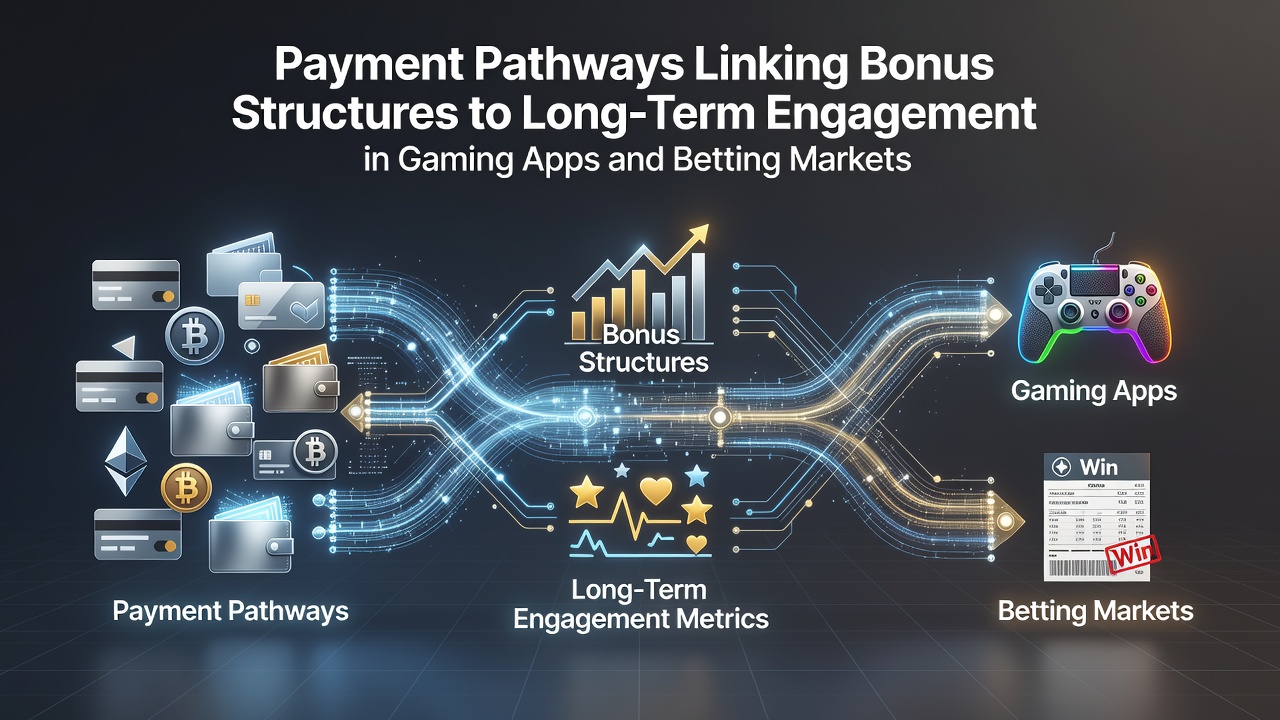
Payment systems now form the backbone of how gaming apps and betting markets structure bonuses to encourage repeated participation, and data from multiple regions shows these pathways directly influence retention rates over months rather than weeks. Research from the International Center for Gaming Regulation indicates that platforms integrating instant deposit confirmations with tiered reward triggers see higher return frequencies, because users receive immediate value that compounds through ongoing play cycles. Those who've examined transaction logs across North American and European operators note that seamless e-wallet integrations reduce friction points that otherwise interrupt the bonus activation sequence, leading to longer session chains and more consistent deposit patterns.
Mechanics of Payment Integration with Bonus Triggers
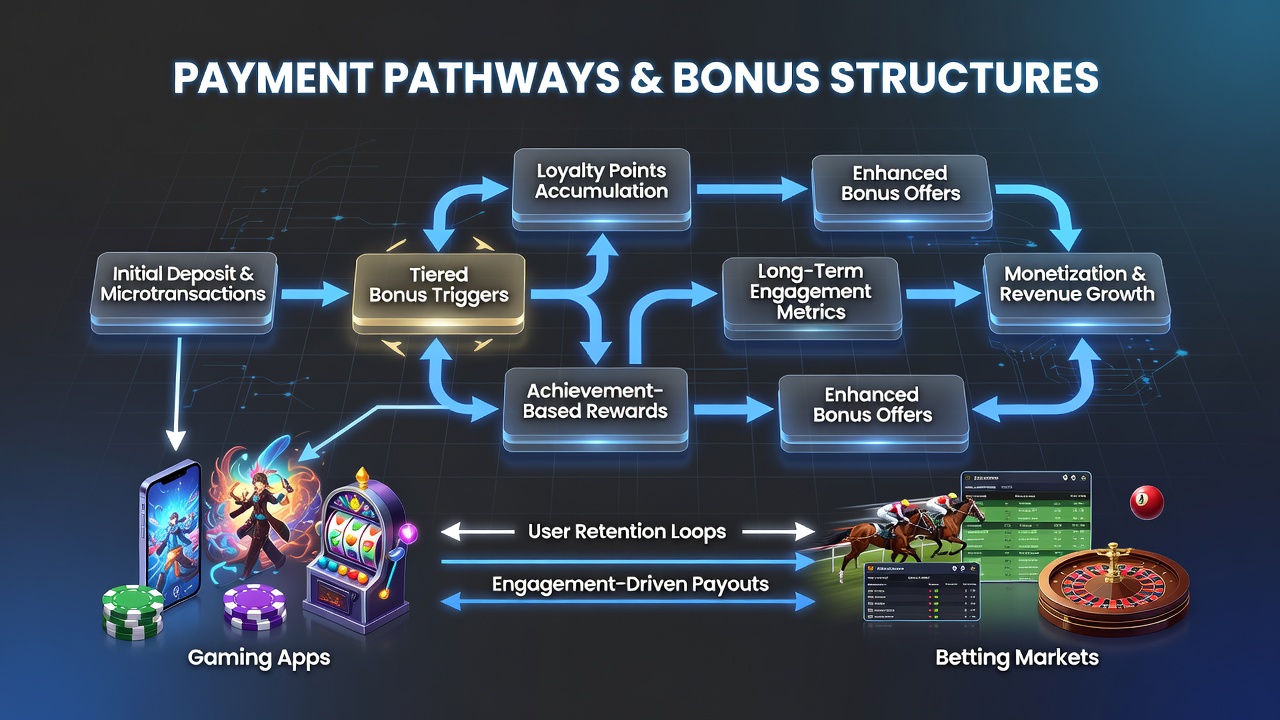
Operators design bonus structures around specific payment milestones such as minimum deposit amounts, recurring transaction volumes, and verified account linkages, while studies conducted by the Canadian Centre for Gaming Research reveal that users who complete three or more linked deposits within a thirty-day window exhibit retention rates thirty-five percent above baseline averages. These mechanics rely on automated verification that releases cashback percentages or free spin allocations only after payment confirmation clears, creating a feedback loop where each successful transfer unlocks the next level of rewards. And yet the process stays transparent because regulatory frameworks in several jurisdictions require clear disclosure of how payment data feeds into reward calculations, preventing mismatches that could erode trust.
Regional Patterns in July 2026 Data Releases
Figures released in July 2026 from the Australian Communications and Media Authority highlight a fourteen percent increase in cross-platform engagement when operators tie loyalty multipliers to crypto and digital wallet transactions rather than traditional card methods, because settlement times drop from days to seconds and allow bonuses to activate before user momentum fades. Observers tracking these shifts point out that markets with faster payout pathways maintain steadier user bases even during seasonal dips, since players encounter fewer barriers when converting winnings back into playable balances or new bonus entries. What's significant is how these patterns hold across both mobile-first apps and desktop betting interfaces, suggesting the payment pathway itself rather than device type drives the sustained activity.
Long-Term Retention Through Layered Reward Systems
Layered bonus programs that escalate based on cumulative payment volume create compounding effects, and evidence compiled by the University of Nevada's gaming analytics group demonstrates that participants who reach the third tier within ninety days remain active at double the rate of those who stall at entry-level rewards. Payment gateways that support scheduled auto-deposits or recurring transfers further strengthen this linkage by aligning bonus releases with predictable user behavior cycles, while data visualizations from industry reports illustrate how retention curves flatten less sharply when these automated pathways operate without interruption. Those monitoring player cohorts across multiple operators find that interruptions in payment processing correlate with sharp drop-offs, underscoring why redundancy in transaction options matters for maintaining long-term engagement.
Case Examples from Diverse Markets
Take one major European operator that introduced instant settlement for bonus-eligible deposits in early 2026, after which internal metrics tracked through the European Gaming and Betting Association showed a twenty-two percent lift in six-month retention among users who activated at least two linked rewards. Similar adjustments in Asian markets, where local e-wallet dominance combines with progressive jackpot bonuses, produced parallel outcomes according to aggregated data shared at regional industry forums. People who've reviewed these implementations observe that the common thread remains the reduction of time between payment completion and reward visibility, because delays longer than a few minutes tend to break the psychological connection users form between their action and the resulting benefit.
Technical Considerations and Compliance Overlaps
Compliance requirements add another dimension because payment pathways must satisfy anti-money laundering checks while still delivering prompt bonus triggers, and reports from the New Zealand Department of Internal Affairs gaming policy unit note that operators achieving both goals through pre-verified wallet partnerships sustain higher engagement without regulatory flags. Encryption standards and real-time monitoring tools now allow platforms to flag suspicious patterns immediately after a transaction posts, yet still release standard bonuses to verified accounts within the same session. This balance matters because any perceived lag in reward delivery can prompt users to migrate toward competitors whose pathways appear more responsive.
Conclusion
Payment pathways that align directly with bonus structures produce measurable differences in how long users stay active within gaming apps and betting markets, as multiple independent data sources confirm across regions and operator types. The patterns emerging from July 2026 statistics and earlier longitudinal studies illustrate consistent links between transaction speed, reward accessibility, and retention curves that extend beyond initial acquisition phases. Operators who refine these connections continue to see steadier participation metrics, because the underlying mechanisms tie financial actions to tangible ongoing value in ways users recognize and repeat.