Mobile Access Meets Tiered Recognition: Examining Integration Points in Modern Interactive Betting Ecosystems
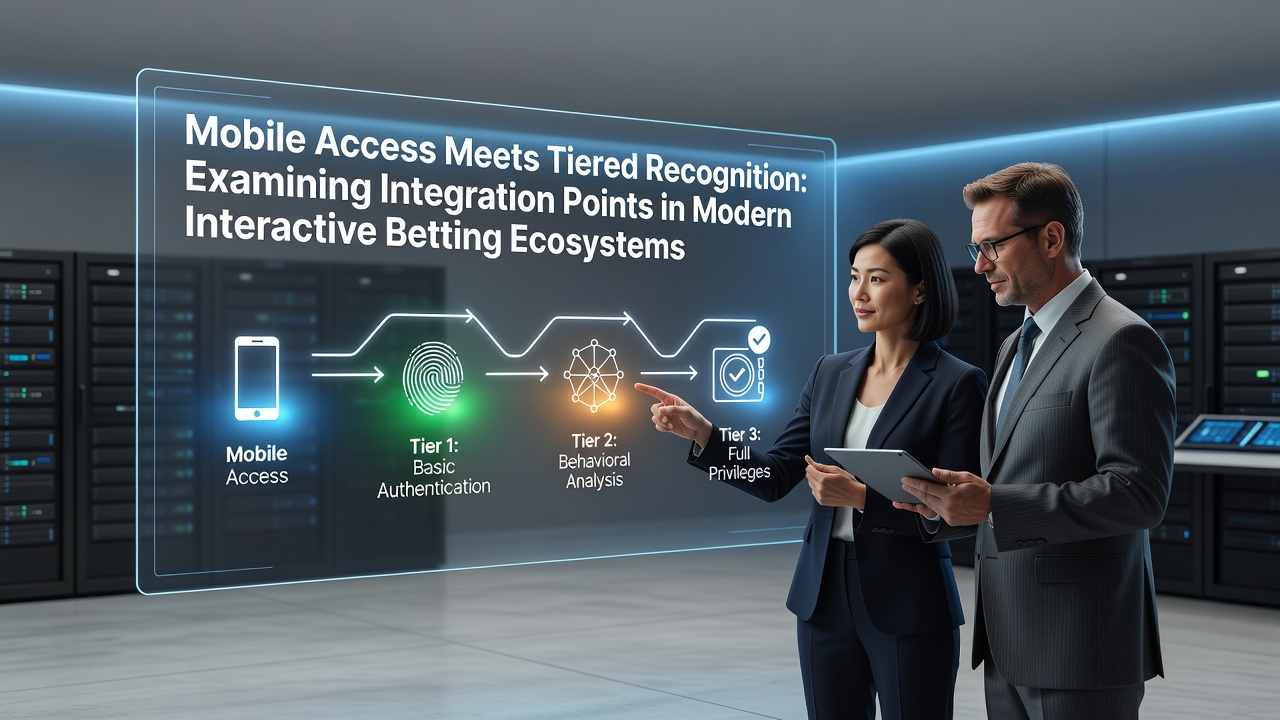
Modern interactive betting ecosystems rely on seamless connections between mobile access points and tiered recognition systems that track player activity across multiple channels. These integration points allow operators to deliver personalized experiences while maintaining compliance with varying regulatory frameworks in different jurisdictions. Data from industry reports indicate that mobile traffic now accounts for the majority of session starts in licensed markets worldwide, which creates demand for recognition layers that update in real time rather than through batch processing.
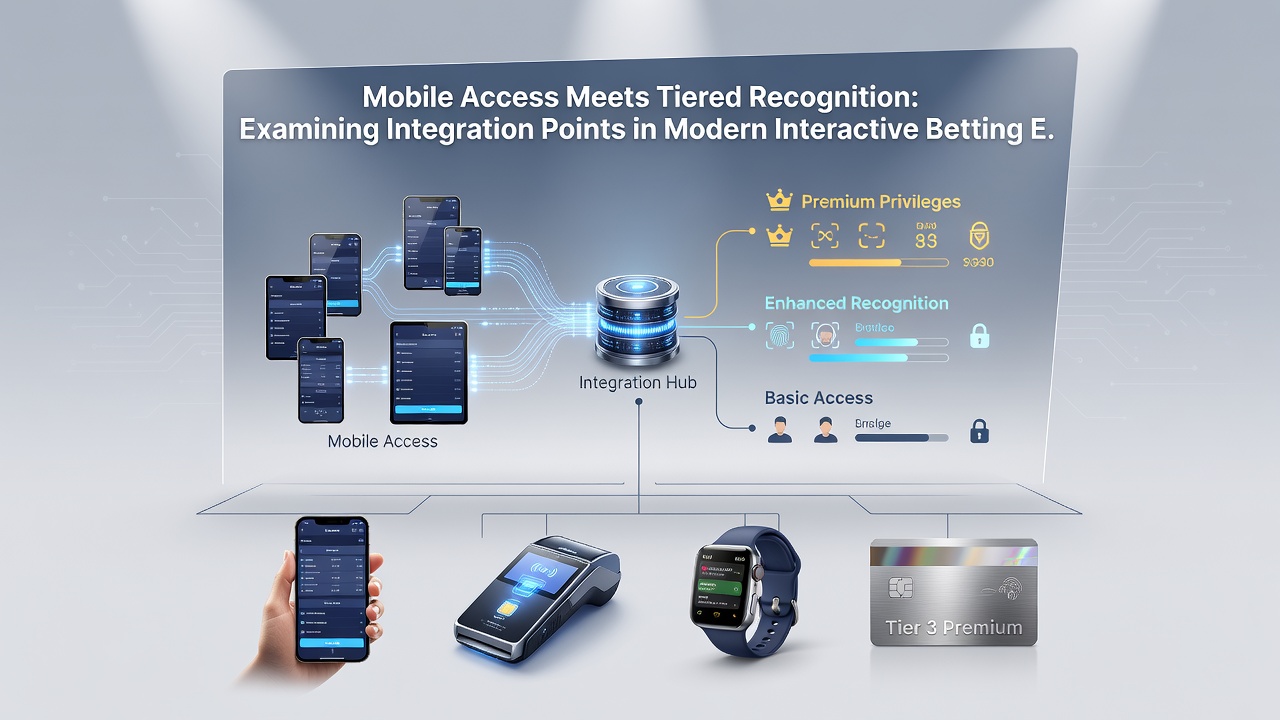
Operators achieve this through application programming interfaces that link device-level authentication with centralized loyalty engines. When a user logs in via a mobile application, the system immediately queries the tier database to apply relevant multipliers, bonus eligibility flags, and risk parameters. This approach avoids the latency issues that once plagued older systems where recognition updates occurred only at daily or weekly intervals.
Core Components of Mobile-Tier Integration
Device fingerprinting combines with account-level data to establish session context. Location services, operating system version, and network type feed into decision trees that determine whether additional verification steps apply before tier benefits activate. Researchers at institutions studying digital gambling infrastructure have documented how these checks reduce friction for established high-tier users while preserving security protocols for newer accounts.
Real-time synchronization engines push tier status changes to mobile clients within seconds of qualifying activity. A deposit that moves a player into the next recognition band triggers an immediate notification and updates available features such as faster withdrawal limits or exclusive event access. This capability depends on event-driven architecture rather than scheduled database pulls.
Technical Integration Points Across Platforms
Payment gateways represent one critical junction. When mobile deposits occur, the transaction processor shares metadata with the tier engine so that recognition points accrue instantly. Systems that fail to link these elements create delays where players reach new tiers but cannot access corresponding benefits until manual reconciliation finishes.
Live betting modules require another layer of integration. Odds feeds and in-play interfaces must reference the user's current recognition tier to apply any dynamic pricing or cash-out adjustments that operators reserve for specific segments. Data released by the New Jersey Division of Gaming Enforcement shows continued growth in mobile in-play wagering, underscoring the need for these connections to remain stable under peak loads.
Regional Variations in Implementation
Different regulatory environments shape how these integration points develop. In Ontario, iGaming operators must meet specific standards for player data portability between mobile applications and loyalty programs, which has encouraged adoption of standardized APIs. European markets operating under the Interactive Gambling Act in Australia have seen similar emphasis on transparent tier calculations that users can verify through mobile dashboards.
North American tribal and commercial operators often prioritize geofencing accuracy alongside tier recognition to ensure benefits apply only within permitted boundaries. Integration testing in these environments frequently includes stress scenarios that simulate rapid tier changes during high-volume events such as major sporting tournaments.
Data Handling and Privacy Considerations
Mobile access increases the volume of data points collected per session, which tier systems must process without violating privacy regulations. Tokenization techniques allow recognition engines to reference player status without exposing full transaction histories on the device itself. Observers note that successful implementations use encryption at rest and in transit for all tier-related communications between mobile clients and central servers.
June 2026 brought incremental updates to several cross-border data frameworks that affect how operators share tier information across multiple licensed entities. These changes require integration layers to support consent management flags that travel with the user profile during any data exchange.
Future Development Directions
Emerging standards around account-to-account transfers and unified wallets will likely place additional demands on tier recognition systems. Mobile applications will need to surface tier status across different operators where regulatory agreements permit shared recognition programs. Industry associations such as the European Gaming and Betting Association have published position papers outlining technical requirements for such interoperability.
Testing environments now incorporate machine learning models that predict when a mobile session is likely to trigger a tier change, allowing preemptive resource allocation on backend servers. This reduces the occurrence of momentary service interruptions during recognition updates.
Conclusion
Integration points between mobile access and tiered recognition continue to evolve as operators balance user expectations with regulatory and technical constraints. The effectiveness of these connections depends on consistent data flows, accurate real-time processing, and adherence to jurisdiction-specific rules governing player information. Continued refinement of these systems supports the operational stability of interactive betting platforms across expanding global markets.