Decoding the Flow: Payment Flexibility Meets Loyalty Escalation in Blended Gaming and Wagering Worlds
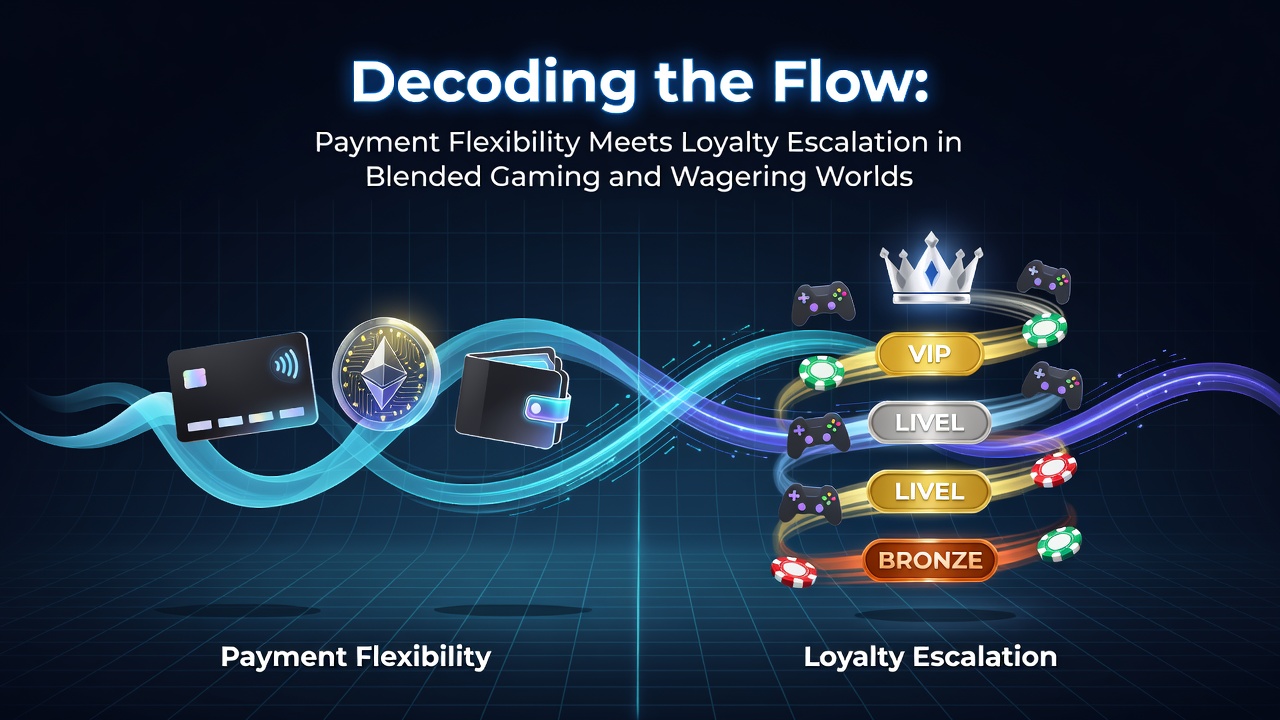
Blended gaming and wagering platforms combine slots, table games, live dealer experiences, and sports betting into single ecosystems where payment methods and loyalty structures operate in tandem, and data from industry reports shows these integrations affect transaction volumes and player retention metrics across multiple jurisdictions.
Payment Systems Supporting Cross-Game Activity
Modern platforms enable deposits and withdrawals through e-wallets, bank transfers, and digital currencies that function identically whether users engage with reel spins or live sports wagers, while seamless transaction processing reduces friction between different game categories and allows balances to move without separate funding steps for each vertical.
Figures from the American Gaming Association indicate that platforms offering unified wallets across casino and sports products recorded higher average session lengths in 2025 compared with segmented systems, because players no longer need to exit one interface and reload another to switch activities.
Loyalty Mechanisms That Scale with Blended Play
Tiered reward programs assign points based on total handle rather than isolated game types, so a single deposit can fuel progress toward higher VIP levels whether the funds go toward roulette tables, football accumulators, or live dealer sessions, and escalation occurs automatically as cumulative activity reaches predefined thresholds.
Observers note that these structures often include accelerated earning rates once players cross intermediate tiers, with benefits such as cashback percentages, exclusive event access, and personalized bonus offers that apply uniformly across the platform's full range of offerings.
Integration Patterns Emerging in June 2026
By June 2026 several operators had expanded API connections between payment processors and loyalty engines, allowing real-time point allocation at the moment a wager settles, and this synchronization means a sports bet outcome or a slots bonus round can immediately influence a user's tier status without manual intervention or delayed updates.
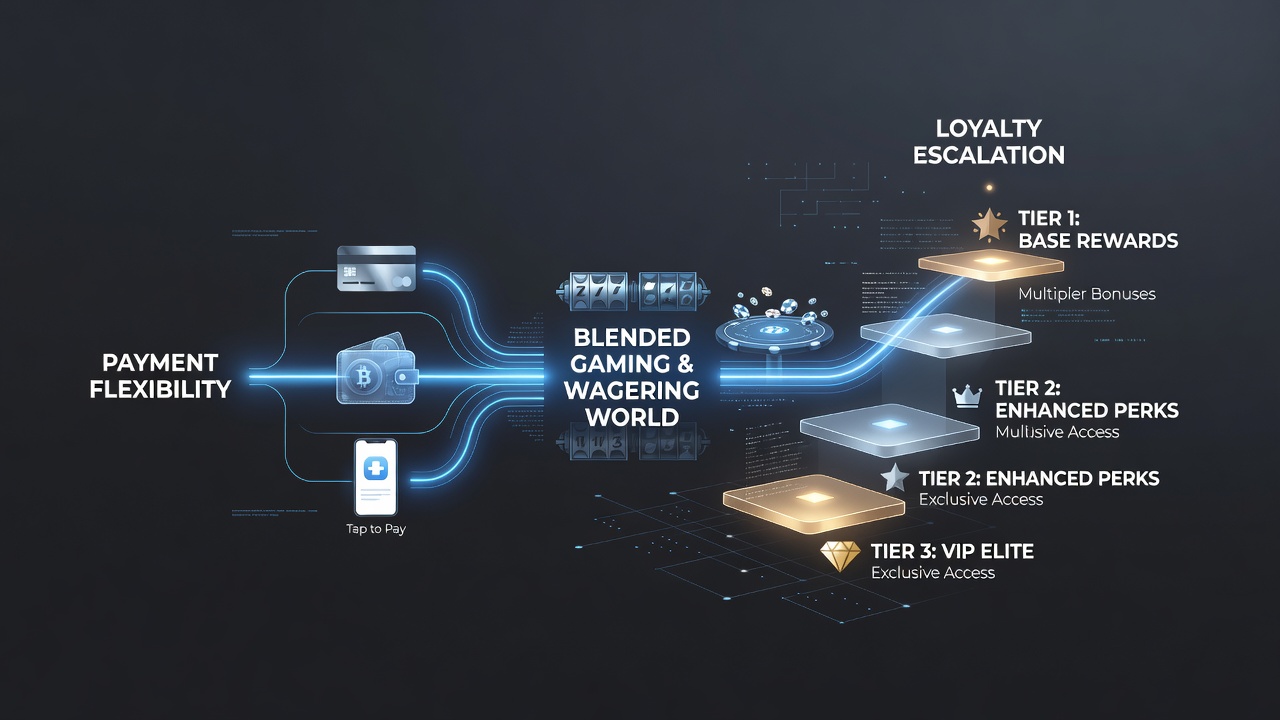
Regulatory updates in multiple regions during the first half of 2026 required clearer disclosure of how payment data feeds into reward calculations, prompting platforms to publish detailed flow charts that explain point accrual rates for different transaction types and game categories.
Regional Examples of Combined Payment and Loyalty Models
Operators in North America and parts of Europe deployed unified systems that let users fund accounts once and receive tiered rewards calculated on total volume across verticals, with reports from the European Gaming and Betting Association highlighting increased cross-product engagement after such features launched in late 2025.
Similar patterns appear in Australian markets where state-level data collections show rising use of instant settlement methods paired with loyalty dashboards that track progress toward benefits applicable to both wagering and traditional casino play.
Technical Requirements for Effective Escalation
Backend systems must reconcile transaction records from disparate game servers into a single loyalty ledger, and platforms achieve this through standardized data protocols that timestamp each wager or deposit so points accrue accurately regardless of which product generated the activity.
Security protocols include encryption layers on payment and loyalty data streams, while compliance teams verify that escalation rules remain consistent with licensing conditions that govern responsible play limits and anti-money laundering checks.
Conclusion
Payment flexibility and loyalty escalation continue to converge within blended gaming environments, with operators adjusting technical infrastructure and reward formulas to accommodate activity across slots, tables, live streams, and sports markets, and available industry statistics demonstrate measurable shifts in transaction patterns and retention indicators as these integrations expand through 2026.